5 Warning Signs Your Program Needs Player Development Immediately
Day One of the 12 Days of Player Development: The Warning Signs You Cannot Ignore

We are officially kicking off the 12 Days of Player Development.
For the next 12 days, I will be diving into key player development topics that impact athletes, coaches, staff, and programs at every level. Each day will focus on a different area of player development, sharing real world insights, lessons learned, and practical takeaways you can apply immediately.
You can follow along daily right here on Substack, on YouTube, and on LinkedIn. New content will drop every day across platforms.
If you care about developing people and elevating programs, make sure you check in daily and share these conversations with someone who needs them.

I believe every athletic program needs player development.
High school. College. Professional. Every sport. Every level.
But if you are experiencing two or three of the warning signs below, you do not need to “consider” player development.
You need it now.
These are the five most common warning signs I have seen across my career at Houston, Kansas, and Baylor and the exact reasons player development exists in the first place.
1. Cultural Instability
If your culture feels different every week, that is not a player problem. That is a structure problem.
Cultural instability shows up when:
Coaches say “this is our culture,” but players interpret it differently
Expectations change depending on the situation
Values exist on paper, not in practice
What player development does is reaffirm the foundation.
In my roles, I constantly brought conversations back to core values:
What did the coach say?
How does this align with who we are trying to become?
How does this decision help you long term?
Player development creates alignment between:
Coaches and players
Staff generations and locker room generations
Stated values and lived behavior
When players understand the why, culture stabilizes.
2. Academic Red Flags
If your program is struggling academically, player development is not optional.
And let me be clear.
This is not an indictment on academic support teams. They do incredible work.
The gap is support and accountability from the athletic side.
One small change I helped implement was a red, yellow, green academic system for position coaches:
Green players are doing well
Yellow players need attention
Red players need an immediate plan
That one adjustment changed how coaches engaged academically and helped produce over 25 percent of the team on the Big 12 Commissioner’s Honor Roll.
Player development bridges academics and athletics.
It adds accountability.
It adds follow up.
It adds presence.
Sometimes the difference between eligibility and graduation is simply someone paying attention.
3. Former Players Are Disconnected
If you hear former players saying:
“We do not feel welcome”
“No one reaches out”
“We want to be involved”
That is a warning sign.
Former players are not extras.
They are the foundation of your program.
Player development serves as the alumni connector:
Open door policies
Intentional outreach
Relationship building between generations
When alumni feel valued, they:
Support current players
Create career opportunities
Bring their families back
Reinvest emotionally and financially
A disconnected alumni base is a silent culture killer.
4. No Transition Plan After Sport
This one is critical.
When athletes finish playing, what happens next?
If the answer is “they will figure it out,” you have a problem.
Player development creates transition plans:
Career exploration
Internships and externships
Alumni mentorship
Campus and external partnerships
Coaches cannot do this alone. They should not have to.
A clear transition plan shows athletes they matter beyond performance.
That trust changes everything while they are still playing.
5. Staff Overload
If your staff is overwhelmed, player development is a release valve.
Player development can handle:
Parent communication
Academic coordination
Alumni engagement
Campus relationships
Community connections
Administrative meetings
I used to attend meetings so coaches did not have to.
I gathered information so programs could operate smarter.
I removed friction wherever possible.
When coaches can coach, everyone wins.
The Bottom Line
Here are the five warning signs again:
Cultural instability
Academic red flags
Disconnected former players
No transition plan
Staff overload
If you are experiencing two or more, player development is not a luxury.
It is a necessity.
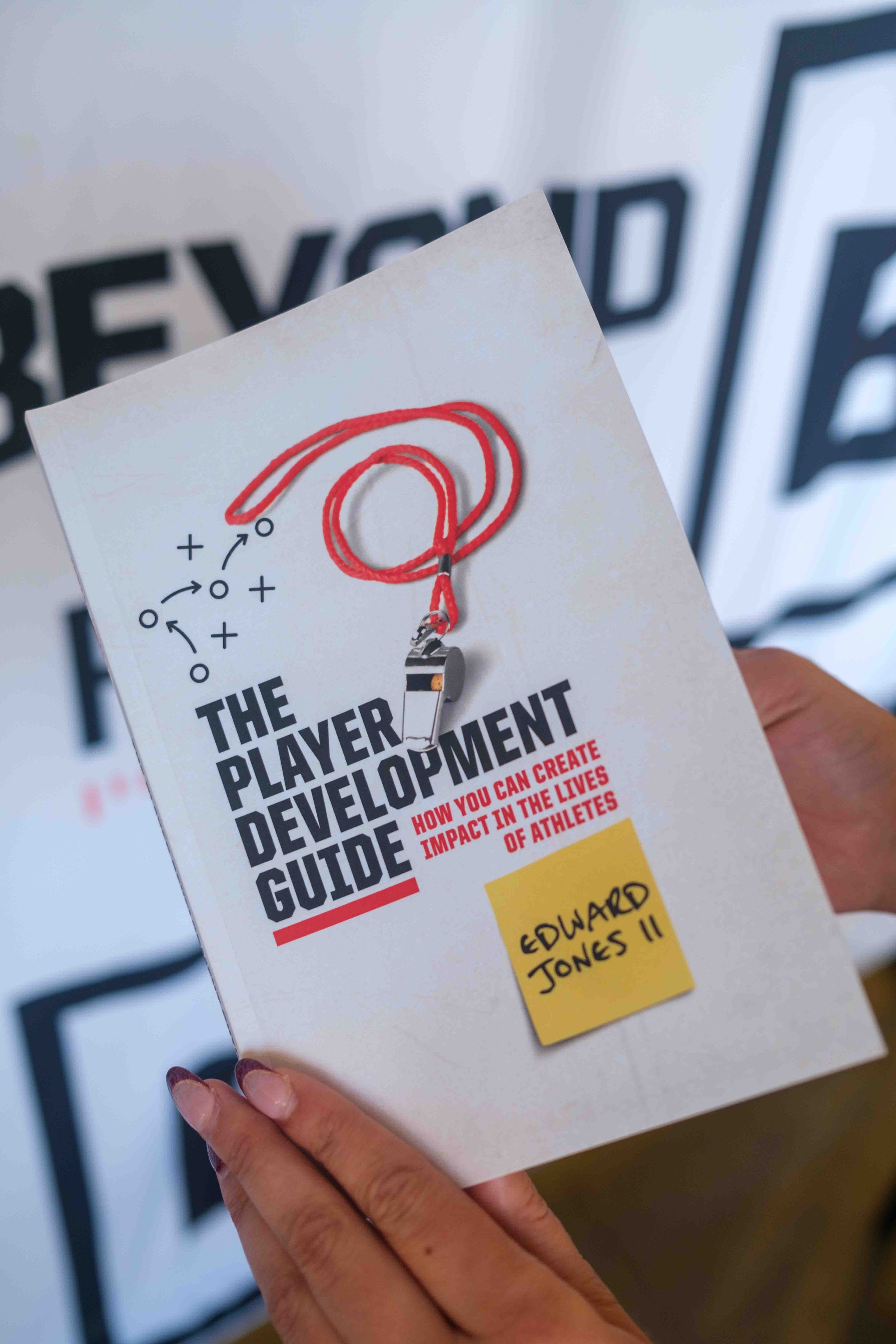
The Player Development Guide
The Player Development Guide was written for the professionals who are doing the work no one sees.
Coaches, administrators, player development professionals, and educators who care about athletes beyond the scoreboard.
This book is not theory.
It is lived experience.
Everything inside comes directly from my time working in player development roles at the University of Houston, the University of Kansas, and Baylor University. The wins. The mistakes. The systems. The conversations that changed lives.
Inside the book, you will learn:
How to build intentional player development systems
How to stabilize culture and reinforce values
How to support athletes academically, personally, and professionally
How to engage alumni and create long term relationships
How to prepare athletes for life after sport
This guide exists because too many athletes leave programs unprepared for what comes next.
If you are responsible for developing people, not just players, this book was written for you.
GET YOUR COPY
The 2026 Player Development Summit
The Player Development Summit is not a conference.
It is a gathering of people who take the responsibility of athlete development seriously.
The 2026 Player Development Summit will take place in Detroit, bringing together professionals from high school, collegiate, and professional sports who are committed to enhancing the athlete experience beyond the field.
This summit exists to:
Share real world strategies, not surface level ideas
Connect practitioners who are doing the work
Elevate the role of player development across sports
Equip programs to create sustainable impact
Attendees can expect:
Practical sessions led by experienced professionals
Honest conversations about what is working and what is not
Networking with people who understand the role
Tools that can be implemented immediately
The summit is built for those who believe athlete development is not optional.
If you are interested in attending, sponsoring, or partnering with the Player Development Summit, additional information is available through the official summit channels.
Check out our website: 2026 Player Development Summit