
8 Ways Player Development Helps You Win ON the Field
Day 3 of the 12 Days of Player Development

We spend a lot of time in player development talking about beyond the field.
Off the field.
Life after sports.
Holistic growth.
But today, on Day 3 of the 12 Days of Player Development, I want to be very clear:
Player development helps you win games.
Not metaphorically.
Not indirectly.
Not “feel good” wins.
Actual, on-the-field winning.
Below are 8 specific ways player development translates directly to performance, execution, and results on the field.
1. Mindset
Mindset is the foundation.
A fixed mindset says:
“This is who I am. This is all I’ll ever be.”
A growth mindset says:
“I can learn. I can develop. I can get better.”
Player development lives in the growth mindset.
When athletes engage in resume building, career exploration, community engagement, alumni networking, budgeting, or business creation, they are learning how to learn, not just what to do.
And here’s the key connection:
If an athlete believes they can grow off the field, they’re far more likely to believe they can grow on the field.
New position?
New scheme?
New coach?
New system?
Growth mindset says:
“I can figure this out.”
Teams with growth mindset win more games. Period.
2. Responsibility
Responsibility is learned behavior.
When athletes are held accountable for:
Showing up on time
Representing the program professionally
Managing academics
Following through on commitments
Owning their role in mentorship or programming
They learn that their actions affect others.
That lesson translates directly to the field.
If I understand my responsibility as a teammate, my assignment matters.
My gap matters.
My leverage matters.
My execution matters.
Player development teaches responsibility off the field so execution becomes instinct on the field.
3. Leadership
Leadership doesn’t magically appear in big moments.
It’s developed intentionally.
Through leadership academies, councils, retreats, and structured reflection, athletes learn:
What kind of leader they are
How they influence others
When to lead vocally and when to lead by action
How to lead in family, class, community, and team settings
When pressure hits, leadership shows up.
Overtime games.
Conference championships.
Winning streaks.
Losing streaks.
Player development creates leaders before the moment demands one.
4. Mentorship
Mentorship builds confidence, trust, and readiness.
One of the most powerful tools I used was structured player-to-player mentorship.
Older players walking younger players through:
Transitions
Expectations
Travel
Preparation
Confidence
I saw this firsthand at Baylor.
When injuries hit and young players had to step up, they weren’t overwhelmed.
Why?
Because someone had already walked them through it.
That translated directly to winning a Big 12 Championship.
Win off the field.
Win on the field.
5. Communication
Communication wins games.
Player development teaches athletes how to:
Communicate with peers
Communicate with authority figures
Handle uncomfortable conversations
Communicate clearly under pressure
That matters when:
Adjustments need to be made
Players don’t understand a call
Emotions are high
Situations change fast
Athletes who communicate effectively off the field do the same when it matters most on the field.
6. Effort
Effort is a habit.
Player development asks for effort when it’s not mandatory:
Showing up to sessions
Asking questions
Following up
Engaging fully
Bringing teammates with you
When athletes see that effort leads to growth, opportunity, and trust, they start giving more.
And coaches notice.
I’ve sat in meetings where coaches said:
“He’s been giving more effort lately.”
And someone responds:
“Yeah, he’s been locked in off the field too.”
Effort transfers.
7. Learning
Player development reminds athletes of a simple truth:
They can learn.
New skills.
New systems.
New roles.
New playbooks.
If I can learn:
How to network
How to manage money
How to prepare for transition
How to be accountable
Then I can learn:
A new scheme
A new position
Situational football
Film study at a higher level
Learning how to learn is one of the biggest competitive advantages in sports.
8. Critical Thinking
Critical thinking is the bridge between knowledge and execution.
Player development teaches athletes to think critically about:
Decisions
Emotions
Consequences
Opportunities
Resources
That shows up on the field when athletes:
Diagnose formations
Anticipate tendencies
Adjust on the fly
Control emotions
Avoid costly penalties
Critical thinkers play faster.
Smarter.
More composed.
The 8 Ways, Recap
Mindset
Responsibility
Leadership
Mentorship
Communication
Effort
Learning
Critical Thinking
Player development off the field directly impacts winning on the field.
Final Thought
If you’re a coach, administrator, or decision-maker who still believes player development is “extra” or “non-essential,” share this with someone who needs to hear it.
The 2026 Player Development Summit
The Player Development Summit is not a conference.
It is a gathering of people who take the responsibility of athlete development seriously.
The 2026 Player Development Summit will take place in Detroit, bringing together professionals from high school, collegiate, and professional sports who are committed to enhancing the athlete experience beyond the field.
This summit exists to:
Share real world strategies, not surface level ideas
Connect practitioners who are doing the work
Elevate the role of player development across sports
Equip programs to create sustainable impact
Attendees can expect:
Practical sessions led by experienced professionals
Honest conversations about what is working and what is not
Networking with people who understand the role
Tools that can be implemented immediately
The summit is built for those who believe athlete development is not optional.
If you are interested in attending, sponsoring, or partnering with the Player Development Summit, additional information is available through the official summit channels.
Check out our website: 2026 Player Development Summit

The Player Development Guide
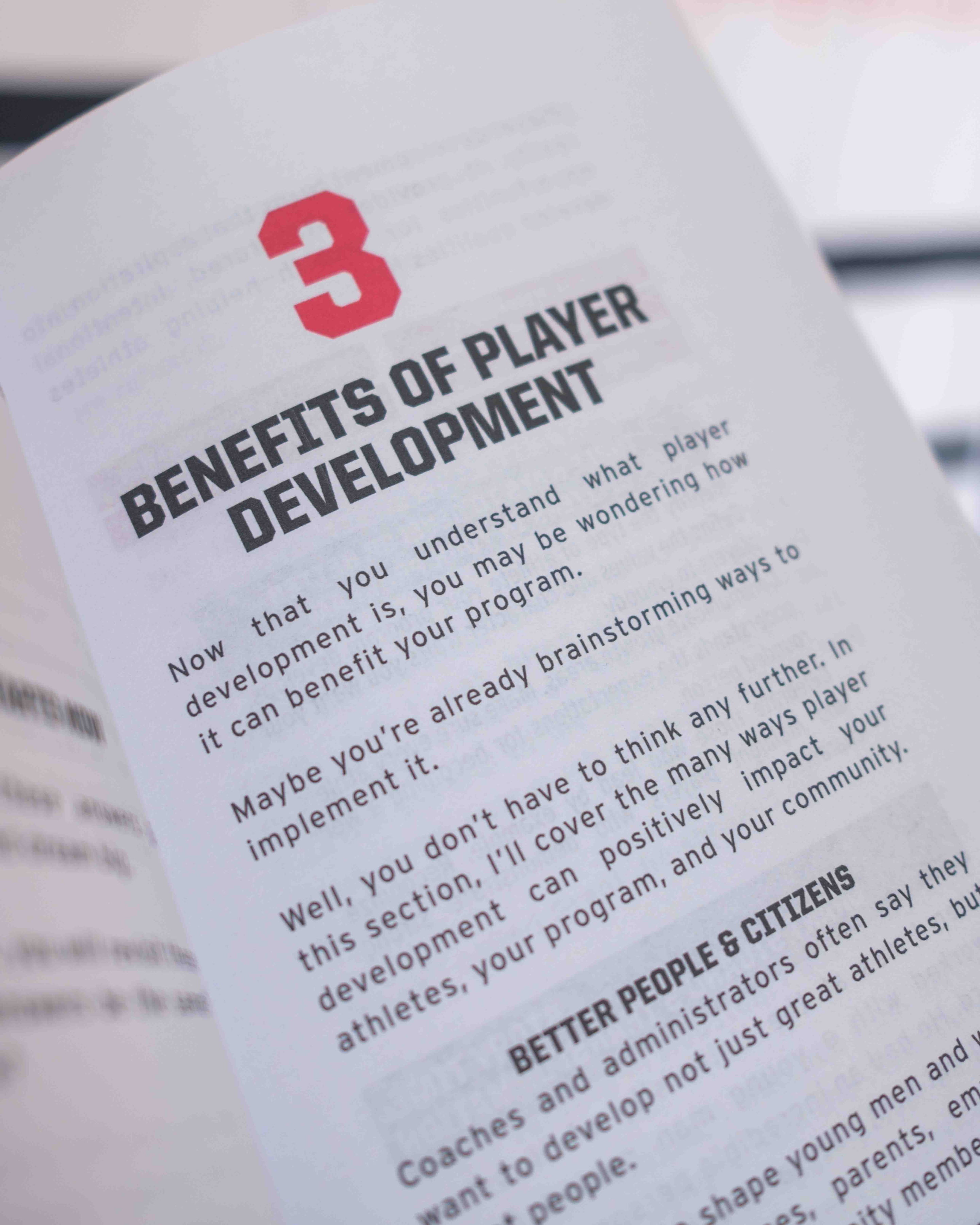
If you want proven, practical ways player development helps you win off the field and strengthens your program long-term, The Player Development Guide breaks it all down. Inside, you will find real systems, examples, and frameworks used at the Power 5 level to develop people, elevate programs, and build sustainable success.
👉 Get your copy of The Player Development Guide on Amazon.
Strong framework for connecting soft skills to performance outcomes. The mentorship point is underrated because it creates redundancy in knowledge transfer, so when injuries hit younger players aren't starting from zero. I worked with a program that had zero structured mentorship and the drop-off when starters went down was massive compared to teams with deliberate pairings. The effort-habit connection is real too, once athletes internalize that efort compounds they stop treating preparation like its optional.