Effectively Using Data for Intentional Programming
Day 4 of the 12 Days of Player Development

Most people think “using data” means spreadsheets, dashboards, and complex analytics.
In player development, that mindset can actually stop progress.
On Day 4 of the 12 Days of Player Development, I want to show you how data can be simple, human, and still incredibly effective when your goal is intentional programming.
This lesson came from my time at the University of Houston and it completely changed how I approached player development.
The Mistake Most Programs Make With Data
I asked our players a simple question.
“What kind of programming do you want to see?”
I sent forms.
I sent links.
I asked verbally.
Zero percent response.
No engagement. No data. No clarity.
That was a data point in itself.
The mistake was not the question.
The mistake was assuming players would respond the way we wanted them to.
The First Real Data Point That Mattered
I noticed something important.
Whenever players went on break, they were required to fill out forms, bring them in, and get them signed off.
They were used to that system.
So instead of forcing a digital solution, I adapted to their behavior.
I printed small slips of paper.
Three questions:
Name
What type of programming would you want to see?
If we hosted a career event, what profession would you want represented?
That was it.
No overthinking.
No analytics dashboard.
Just intentional design.
What the Players Told Us (And Why It Worked)
The response was immediate.
Players asked for:
Engineers
Architects
Entrepreneurs
Former players who owned businesses
NFL scouts
Professionals working in sports
Creatives in fashion and content
We took those slips and built programming directly from what they said.
Using LinkedIn, alumni directories, former players, and my personal network, we brought in 33 professionals.
That spring, with about 70–80 players available, every athlete rotated through meaningful conversations with people they actually wanted to learn from.
No forced attendance.
No guessing.
No wasted programming.
Why This Was More Than Just a Program
The impact went beyond the event.
Players built real career connections
Former players reconnected with the program
Community professionals became advocates
Alumni engagement increased
The program gained credibility internally and externally
And here’s the key:
We did not get lost in data.
We let data guide us.
That distinction matters.
How I Think About Data Now
Data should inform decisions, not replace judgment.
Just like analytics in sports:
Numbers matter
Feel matters
Context matters
If you blindly follow data, you risk building programs that look good on paper but fail in reality.
The best approach sits in the middle:
What do players want?
What does the program need?
What does leadership value?
That’s intentional programming.
Watch Podcast Here
How You Can Use Data Right Now
Here are practical ways to apply this immediately:
1. Geographic Data
Where are your players from?
Where do they go during breaks?
Use that to:
Set up externships
Identify internship partners
Create hometown networking opportunities
2. Career Aspiration Data
Ask players:
“When you’re done playing, what do you want to do?”
Not everyone is going pro.
Most players want clarity.
Use that data to connect them with professionals in their desired fields, especially in their home cities.
3. Feedback Data (Without Overdoing It)
Use QR codes or short post-event surveys to ask:
Was this helpful?
Would you attend again?
What should we change?
Then actually use the answers.
The Real Lesson
Data does not have to be complicated to be effective.
The most powerful data is often:
Behavioral
Observational
Relationship-driven
When you listen to players and design programming with them instead of for them, engagement follows.
That is how you create intentional programming.
Final Thoughts
This is Day 4 of the 12 Days of Player Development.
If you have a way you use data in your role, I would love to hear it.
Since you all are interested in data, I want you to know this.
The examples I share are not theory.
I collected real data while working in the player development role at the University of Houston, the University of Kansas, and Baylor University. I saw what worked, what failed, what athletes responded to, and what actually moved the needle inside programs.
I did not just track numbers.
I tracked behavior.
I tracked engagement.
I tracked outcomes.
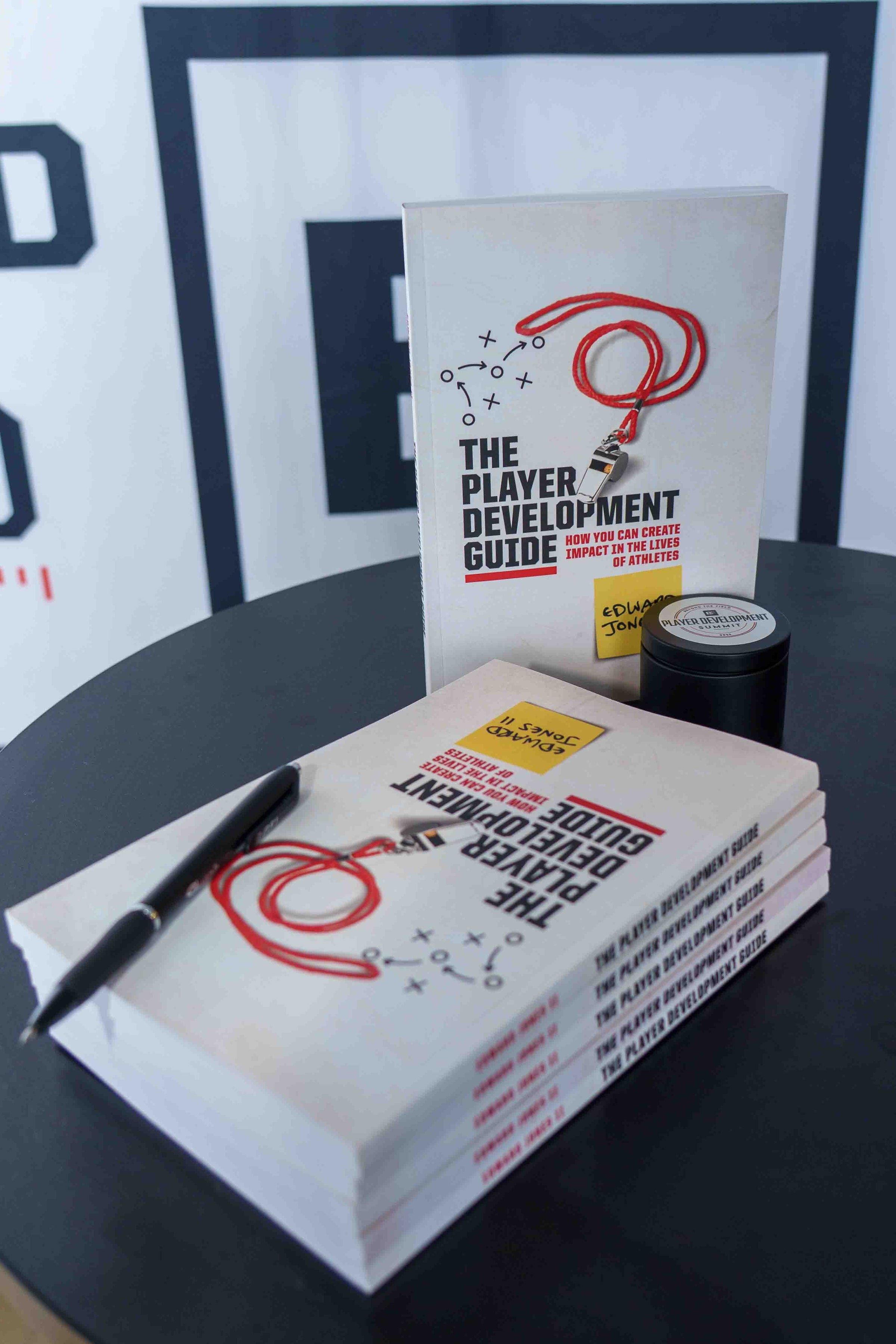
Those stories, systems, and lessons are documented inside The Player Development Guide.
This book breaks down proven frameworks, real programming examples, and intentional systems that helped athletes develop beyond the field while elevating the programs they represented.
If you want practical insight from someone who has lived the role and built programs that worked, this guide is for you.
👉 Get your copy of The Player Development Guide here: I WANT MY COPY
The 2026 Player Development Summit
The Player Development Summit is not a conference.
It is a gathering of people who take the responsibility of athlete development seriously.
The 2026 Player Development Summit will take place in Detroit, bringing together professionals from high school, collegiate, and professional sports who are committed to enhancing the athlete experience beyond the field.
This summit exists to:
Share real world strategies, not surface level ideas
Connect practitioners who are doing the work
Elevate the role of player development across sports
Equip programs to create sustainable impact
Attendees can expect:
Practical sessions led by experienced professionals
Honest conversations about what is working and what is not
Networking with people who understand the role
Tools that can be implemented immediately
The summit is built for those who believe athlete development is not optional.
If you are interested in attending, sponsoring, or partnering with the Player Development Summit, additional information is available through the official summit channels.
Check out our website: 2026 Player Development Summit