
From Player Development to Student Athlete Development
9 Questions Every Leader Must Ask Coaches Before Stepping Into the Role

One of the questions I recently got asked in a conversation really stopped me in my tracks: What would you do if you moved from team-facing player development to leading all student athletes in an athletic department?
At first, I didn’t have a quick answer. Player development had always been centered on the team I worked with and the head coach who hired me. Student athlete development, however, shifts the dynamic. In that role, the athletic director hires you, not the coach. You are now responsible for serving every athlete across every program.
So how do you build trust with coaches who did not hire you? How do you support their programs without stepping on toes? After reflecting, I realized there are nine critical questions I would ask every head coach (or their designated representative) before moving forward.
1. Personal Wellness
How do you want me to support the personal wellness of your athletes? Every sport has unique challenges. The wellness needs of a gymnastics program look very different from football or rowing. Asking this question ensures I provide value where it is most needed.
2. Community Impact
What is your vision for community impact? Some coaches want their athletes deeply engaged with schools, nonprofits, or hospitals. Others may prefer a lighter approach. Knowing their goals allows me to align community work with their program’s identity.
3. Career Development
Where do you want your athletes to grow career-wise? This includes industries you want them exposed to, alumni you want brought back, and the timing of career programming. By asking these questions, I can connect athletes to the right opportunities at the right time.
4. Academic Support
Do you want me involved with academics? In some programs, academic staff already has a strong structure. In others, there may be space for me to serve as a liaison. Clarity here avoids overlap and sets expectations.
5. Recruiting
What role should I play in recruiting? Should I meet with parents, present to prospects, or stay behind the scenes? Recruiting is central to a program’s success, so I want to ensure my involvement adds value and aligns with the coach’s plan.
6. Game Day
Do you want me present at games? If so, in what capacity? Should I travel, be on the field, talk to recruits, or simply support from the stands? Game day presence can either strengthen relationships or create tension if expectations are unclear.
7. Programming
When should programming happen? Coaches know their athletes’ schedules best. By asking about timing and preferred topics, I can deliver programming that feels like support rather than an interruption.
8. Alumni Engagement
What is your alumni strategy? Do you want me helping bring alumni back, creating events, or strengthening ties with former athletes? Alumni can be powerful advocates, but only if engaged intentionally.
9. Access to the Team
What level of access do you want me to have? Should I be in lifts, practices, meals, or leadership meetings? This answer determines how integrated I am into the daily life of the program.
Why These Questions Matter
When I transitioned from Houston to Kansas, I learned quickly that walking in with “Here’s what we’re going to do” doesn’t work. Listening first opens doors. Asking thoughtful questions uncovers resources you didn’t even know were available.
These nine areas—wellness, community, career, academics, recruiting, game day, programming, alumni, and access—are the foundation for building trust and clarity with coaches. They create a roadmap for partnership instead of conflict.
Special thanks to Jillian Hall of Gonzaga for asking me the question that sparked this reflection. It reminded me of why I love having these conversations. They push me to think deeper, and they often turn into content that can serve others in the field.
Final Word
If you’re stepping into student athlete development, don’t assume. Ask. The coaches you work with will respect you more for listening, and your athletes will benefit from the alignment.
As always, my encouragement to you is this: go out and create generational impact. Don’t wait—start today.
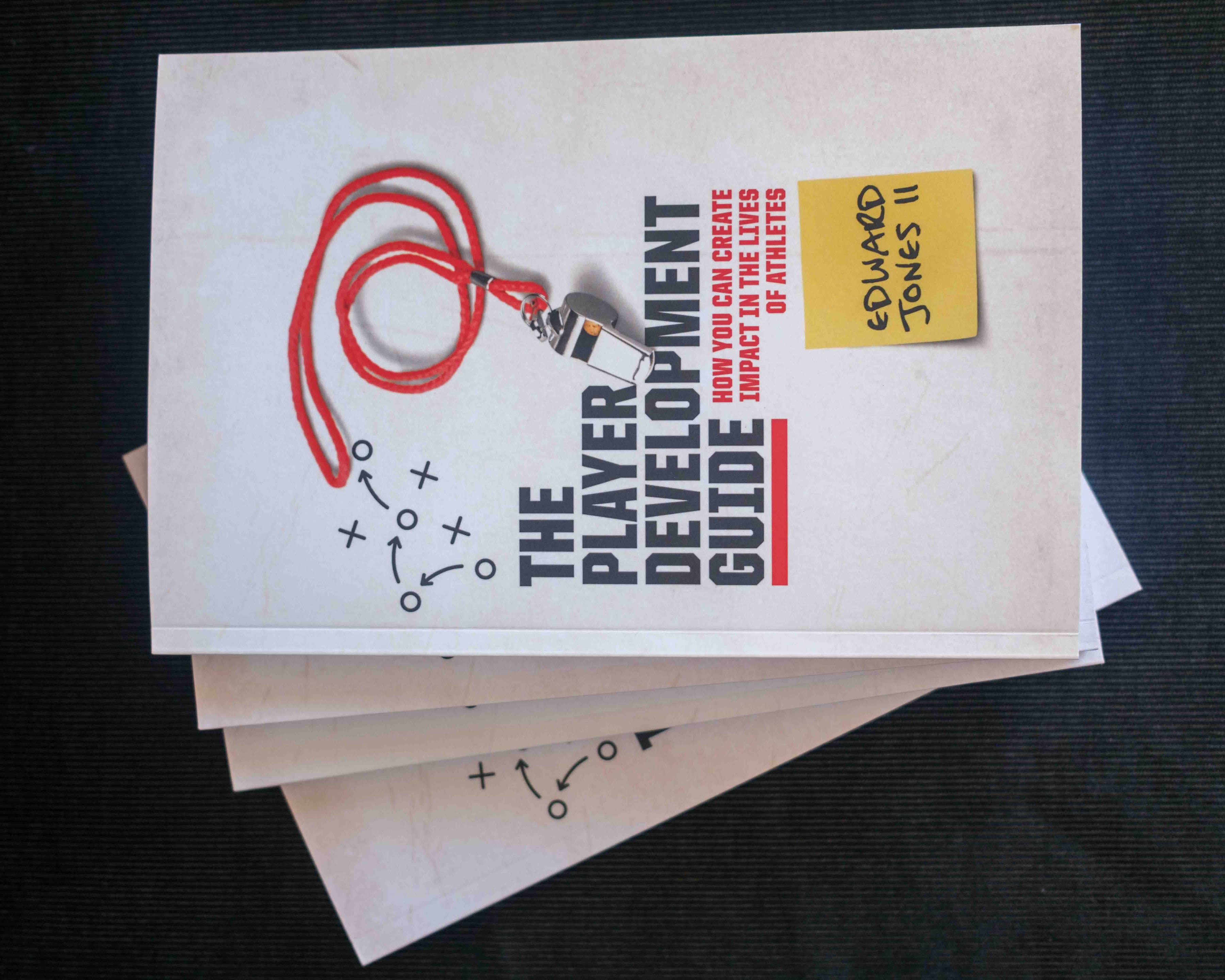
The Player Development Guide
The Player Development Guide gives you the tools, strategies, and stories to build programming that transforms athletes beyond the field. Whether you’re new to the space or a seasoned professional, this book helps you create meaningful moments, measurable results, and lasting impact.
👉 Start building with purpose: PURCHASE HERE