Knowing When It’s Time to Leave a Player Development Role
Two real-life stories from my career — and how to recognize when it’s time to move on.

Leaving a player development role you’ve worked so hard to earn is never an easy decision.
It’s not something we talk about much in our industry, but it’s a reality many professionals face.
When you’ve built deep relationships with athletes, parents, coaches, and your community, the thought of walking away can be gut-wrenching. But the truth is — there comes a time when moving on is the right call.
I’ve been in that position twice in my career.
Two very different situations. Two very different outcomes.
Both taught me hard but valuable lessons about knowing your worth, reading the room, and protecting your future.
Story #1: The Right Move for Value (Kansas → Baylor)
I joined Kansas after my time at the University of Houston ended abruptly.
I was excited — my first Power 5 role, more resources, new challenges. I was thrown into high-level meetings, representing football on campus and in the community. I loved the responsibility and the impact.
But over time, I noticed a gap — not in my passion, but in my paycheck.
I learned that a colleague I was helping extensively was making significantly more than me. I wasn’t pocket-watching — but fairness matters. I asked for a title change and a raise that reflected my responsibilities. Then COVID hit. Budgets froze. Furloughs hit. I knew it wasn’t going to happen anytime soon.
When Baylor called offering an Assistant AD title, a $40K raise, and no furloughs — the decision became clear.
I didn’t want to leave my athletes, but professionally and personally, it was the right move.
Lesson:
Know your value and don’t feel guilty for seeking fair compensation. Coaches negotiate their offers. You should too.
Story #2: The Role That Changed Overnight (Baylor)
I arrived at Baylor with excitement. The vision we discussed during interviews felt aligned with my goals. But within months, things shifted. Responsibilities changed, expectations shifted, and I sensed it wasn’t going to end well.
The writing was on the wall — though I was still given major responsibilities, which made me second-guess leaving. In hindsight, I should have been more aggressive in networking and exploring opportunities. When the season ended, I was let go the same day I turned in major operational work.
Lesson:
If you see the signs, move early. Don’t wait until the decision is made for you. Start making calls, expanding your network, and exploring options as soon as the environment shifts.
The Hardest Part
Leaving the relationships behind — athletes, coaches, staff — was the most difficult part in both cases.
At Kansas, a captain told me, “Man, this must be right for you — you wouldn’t leave us otherwise.”
At Baylor, I tried to personally tell as many players as possible before word spread.
In every transition, communicate directly with your athletes when possible. They deserve to hear it from you.
Final Word
Whether you’re in a role where you’re underpaid but valued, or well-paid but undervalued — the key is the same:
Protect your career. Protect your peace. Protect your future.
Don’t wait until circumstances force your hand. Make moves when it’s right for you.
📚 Want to build a player development program that actually changes lives?
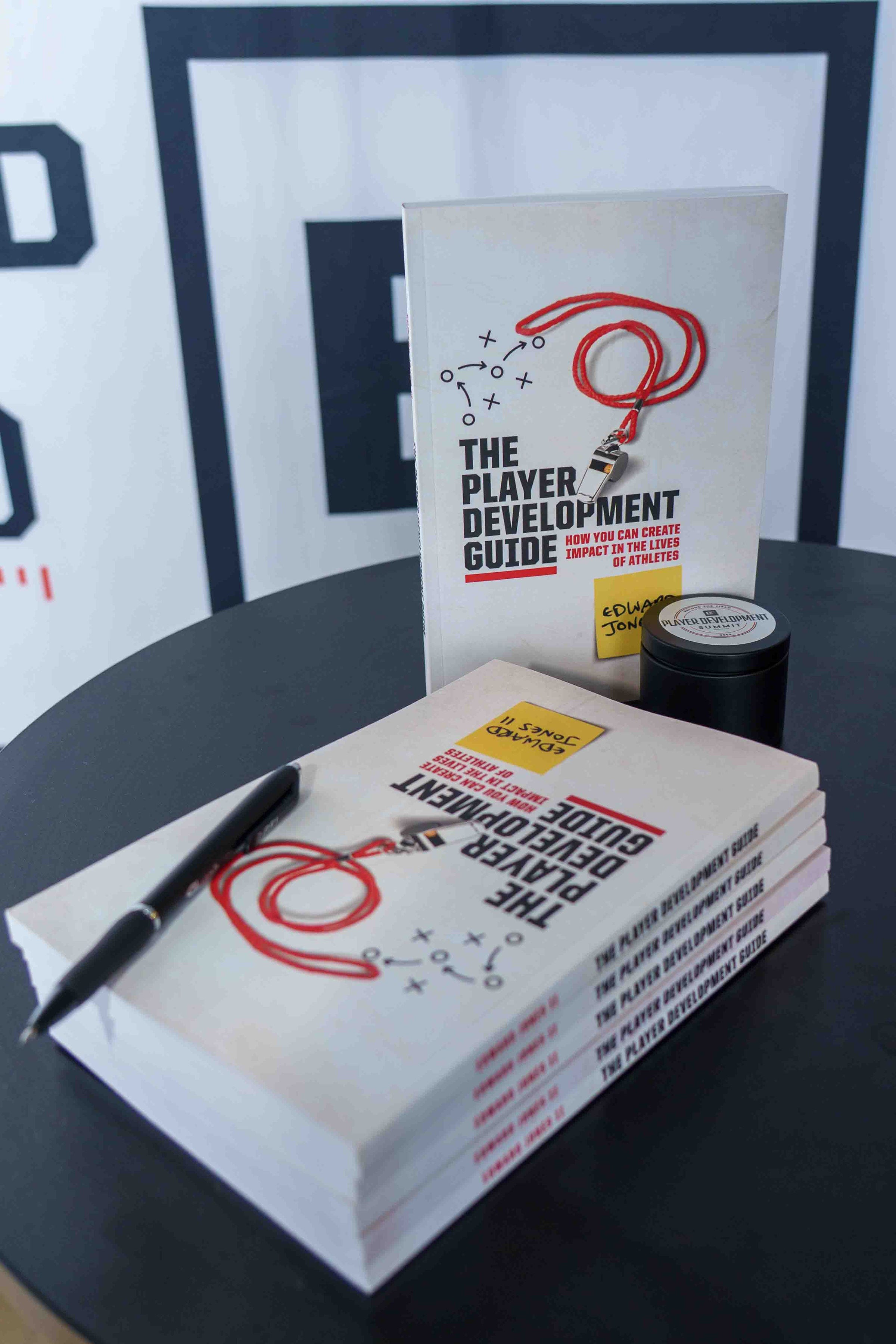
The Player Development Guide is your all-in-one playbook for building systems, strategy, and support that help athletes thrive—not just survive. Inside, I break down:
The exact framework I used at Houston, Kansas, and Baylor
How to structure programs around personal wellness, community impact, and career development
The most overlooked (but most powerful) responsibilities in this role
Real stories that show how this work changes lives
A complete guide to mentorship, alumni engagement, team morale, and more
If you work in athletics—or aspire to—this book will save you years of trial and error. It's the resource I wish I had when I started.
🎯 Build with clarity. Lead with purpose. Create generational impact.
👉 Order your copy here: The Player Development Guide