
What It Is Really Like When Your Coach Is On The Hot Seat
How it impacts players, staff, families, and the entire building

You can feel it long before anyone says a word.
The tension.
The silence in the hallways.
The looks people give each other.
The Football Scoop tab everyone pretends not to have open.
If you have ever worked in player development or served on a football staff during a year when the head coach is on the hot seat, you already know the feeling. And if you haven’t lived it yet, this is the article you read before the moment arrives.
Because the truth is simple.
A hot seat season is nothing like what the public thinks.
Most people only see buyouts, headlines, and message board rumors.
They do not see the staff members who are not anywhere near the salary of the head coach. They do not see the emotional weight on players who feel the instability every day. They do not see the families who are just trying to make sense of what is happening.
Today I want to walk you into the building with me.
This is what it was really like.
When Winning Isn’t Enough
My experience with the hot seat came during the 2018 season at the University of Houston. We were winning games. If D’Eriq King and Ed Oliver had stayed healthy that season, we would have competed for a conference championship. We were positioned, talented, and capable.
But the building felt different.
Rumors started showing up earlier than you would expect for a winning team. At first they were quiet. A phone call from a friend. Another coach from another school asking, “Hey man, y’all good over there?” People stopping by less. Boosters disappearing from the building. Administrators keeping their distance.
And of course, Football Scoop.
You know exactly what I mean.
Everyone checks it.
Everyone refreshes it.
Everyone pretends they do not.
The rumor floating around that year was that Dana Holgorsen might leave West Virginia and come to Houston. Nothing concrete. Just whispers. But then buyout numbers started showing up online. Contract dates were posted. And you could feel everything shifting.
This was my alma mater. This was home. And yet, with every rumor, every conversation, every absence in the building, the reality became harder to deny.
The Emotional Cost That Nobody Talks About
People think pressure only hits the head coach.
That is not true.
Pressure hits everybody.
1. Emotional Pressure
Your spouse hears the rumors.
Your parents hear the rumors.
Your siblings are texting you.
Your players are asking, “Coach, are you staying? What is going on?”
No matter how strong you try to be, you cannot escape it.
You feel it walking to your office.
You feel it during practice.
You feel it when your phone buzzes at night.
It wears on the staff.
It wears on the players.
It wears on every family connected to the program.
2. Financial Pressure
This is the part fans never think about.
If the coach gets fired, the head coach is probably fine financially.
The staff? Completely different story.
I had a wife and a daughter. I had responsibilities. And I had no idea what would happen if the rumors became real.
So I started preparing.
While we were preparing for a bowl game, I started sending letters to new head coaches around the country.
North Carolina. Kansas. Kansas State. Miami. Missouri. Louisville. Colorado. Maryland.
I printed brochures, resumes, and program outlines. I walked into football facilities I had never been in before and handed packets directly to coaches.
Not because I wanted to leave Houston.
Because I needed to protect my family.
3. Insecurities Across the Building
The hot seat does not just bring stress, it brings insecurity. You start seeing things you never saw before.
People position themselves.
People start visiting offices they never visited before.
People avoid each other.
People protect themselves.
It is not personal.
It is survival.
When the seat gets hot, trust gets thin. You see back channel conversations. You see shifting alliances. And you see who is preparing for the worst behind closed doors.
How Players Experience the Hot Seat
Players know everything.
They hear it all.
Their families call them.
Their high school coaches send them articles.
They see the tweets.
They see the posts.
And the part that hurt me most was watching the confusion in their eyes.
We were winning.
We were doing what we were supposed to do.
And yet they were asking:
“Coach, why would they fire him?”
“What is the point of playing well if this can still happen?”
“What is going to happen to us?”
“Are you staying?”
Some players become fearful.
Some become angry.
Some break down.
Some shut down.
I spent hours having conversations that staff members do not get credit for.
Helping them process emotions they have never experienced.
Helping families understand what is happening.
Helping them stay academically focused so they could transfer if needed.
This was not just about football.
This was about people.
So What Do You Do When Your Coach Is On The Hot Seat?
Here is the part nobody teaches you.
Here is what player development is supposed to do in the middle of chaos.
1. Be Consistent for the Players
Consistency is everything.
They need someone who shows up the same every day.
You cannot hide from the conversations.
Address it.
Be honest about what you know and what you do not know.
Give them clarity, not gossip.
2. Support the Coaches
Young coaches.
Coaches who just moved their families.
Coaches who have never been through a hot seat situation.
They need stability too.
Check on them.
Encourage them.
Let them talk without fear.
3. Be Present for Families
Parents will call you.
They are scared.
They want information.
They want honesty.
Let them talk.
Listen.
Then tell them the truth.
4. Protect Academics
In a world with the transfer portal, academics matter more than ever before.
If a player wants to follow a coach to another school, they must be academically eligible. If they want to stay, they must stay on track through the chaos.
And chaos can absolutely derail a locker room academically if you do not stay on top of it.
The Moment Everything Became Real
We went to the bowl game and lost badly. I could feel it in the air. The building felt like a storm right before the first lightning strike.
Then on New Year’s Eve, after receiving a text from my sister saying she was fully cured from a major diagnosis, I received another text.
“Call me when you get a chance.”
That was it.
I knew.
Major Applewhite was relieved of his duties.
The rumors were true.
The buyout date was real.
The new coach was on the way.
Support staff were brought back early.
Meeting time changed.
And I knew what was coming.
This is the part the public never sees.
This is the part the support staff never forgets.
Why I’m Sharing This
I do not share this for sympathy.
I share this because there are people working in sports right now who are walking through this exact situation.
Staff members who love their players but do not know if they will have a job in a month.
Players who are confused and trying to figure out what to do next.
Families who feel helpless.
Administrators trying to manage pressure from every direction.
If you are in the role, you need to know that you are not alone.
If you are a head coach, you need to know how your building feels.
If you are aspiring to work in player development, you need to understand the real job.
This is not glamorous.
This is not a game.
This is leadership in chaos.
This is player development.
A Final Word To Anyone In A Hot Seat Building
Keep showing up.
Keep being consistent.
Keep being the adult your players need.
Keep doing your work with integrity.
You cannot control the circumstances.
You can control your impact.
And your impact matters.
The Player Development Guide Book
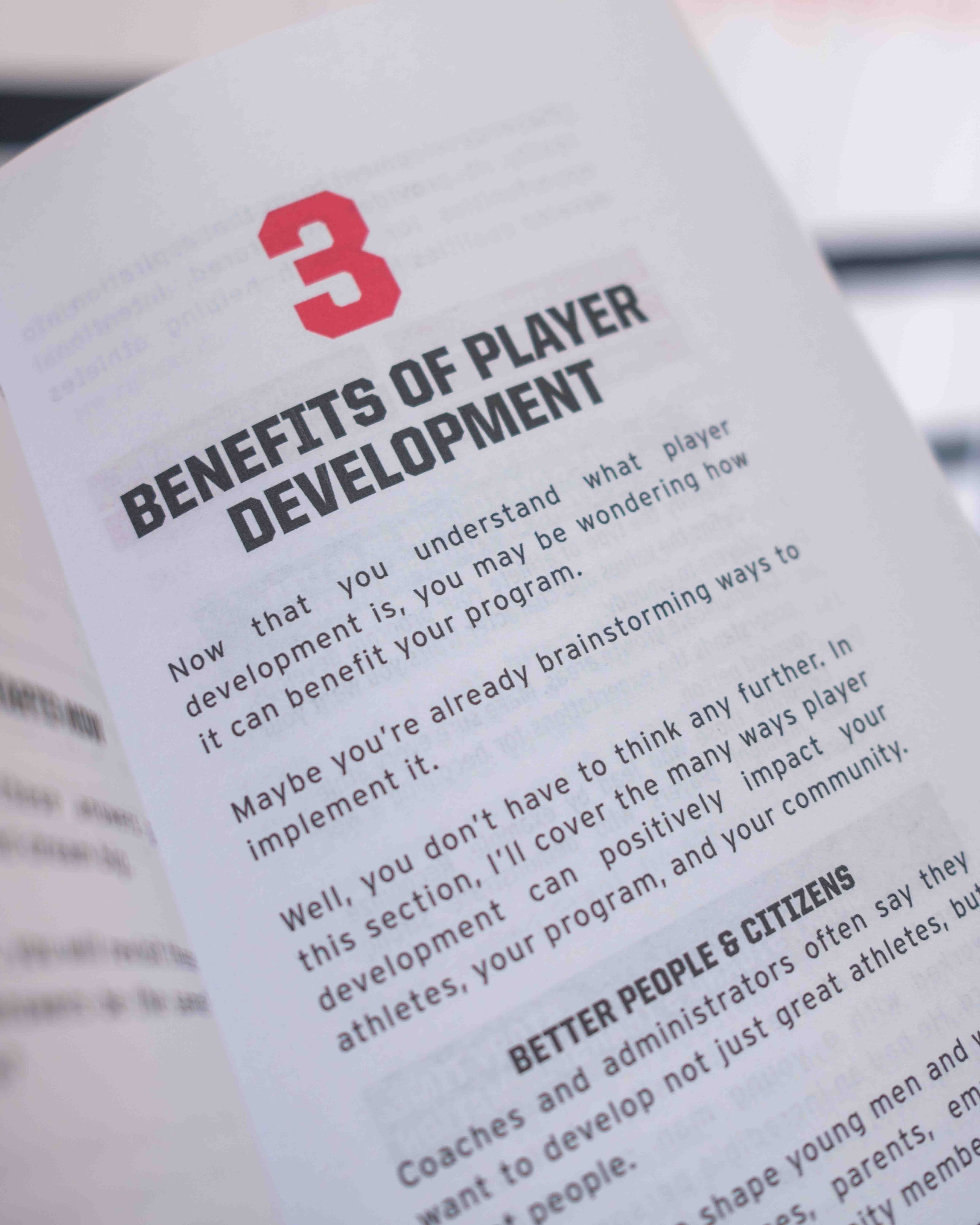
If this article resonated with you, my book The Player Development Guide will take you even further. It is the complete framework I used to build player development systems at Houston, Kansas, and Baylor. Every chapter comes from real experiences, real challenges, and real solutions that helped athletes grow far beyond the field.
Inside the book, you will find clear guidance, templates, and philosophies that can help you strengthen your current program or build one from scratch. It is the resource I wish existed when I started in 2016.
If you want a roadmap, a reference, or something that helps you lead with more confidence and clarity, this book was created for you.
Get your copy here: GET YOUR COPY TODAY
The 2026 Player Development Summit
In May 2026, we are bringing the Player Development Summit to Detroit, and this year’s event will be the most impactful yet. The Summit brings together people across college athletics, professional sports, high school programs, and international organizations who are committed to improving the athlete experience.
It is a space for learning, collaboration, community, and problem solving. It is for the people who carry the emotional, educational, and leadership responsibilities inside programs and want to grow in their work.
Whether you want to attend, get your school involved, or support the movement through sponsorship, the Summit is the place where the field comes together. If this article hit home for you, the Summit will hit even deeper.
Explore everything here: Player Development Summit